Coolshift Assembly
Pleasant Valley insulation

Insulation in Pleasant Valley built for Utah winters

Insulation in Pleasant Valley works best when it matches the house, not a generic checklist. Our team installs spray foam, blown-in cellulose, and fiberglass batts in homes across Pleasant Valley North, Pleasant Valley South, and Valley Estates. We seal air leaks, fix settled attic insulation, and stop the drafts that push your winter heating bill higher. If you need insulation near Pleasant Valley that actually holds up through a Weber County cold snap, we can help.

2022
Serving Pleasant Valley since
1,400+
Local jobs completed
fall attic sealing season
Right now in Pleasant Valley

Pleasant Valley overview

Insulation in Pleasant Valley, done by a local crew

Why we serve here

Pleasant Valley sits in Weber County where winter temperatures drop into the teens and single digits, and that cold finds every gap in a house. We serve this area because the demand is real and steady: drafty rooms, ice dams on north-facing roofs, frozen pipes in crawl spaces, and heating bills that climb every January. The neighborhood mix here is mostly single-family homes with a few rental properties, so we get calls from owners, landlords, and property managers alike. Pleasant Valley Park and the streets around Pleasant Valley Elementary School are routes we drive weekly. Being close means we can schedule same-week attic work instead of pushing customers into next month.

Spray foam, attic, and wall insulation for homes in 84405

Coolshift Assembly has worked in Pleasant Valley since 2022, and most of our calls come from repeat customers and neighbors who pass our name along. We know the housing stock here: 1970s split-levels near Pleasant Valley Elementary School, newer builds in Pleasant Valley Heights, and older homes around Valley Estates that still have original fiberglass batts. That mix matters, because a 1968 ranch and a 2019 two-story need different insulation plans. We use a thermal imaging camera to find air leaks before we quote anything, then match the material to the space: blown-in cellulose for open attics, spray polyurethane foam for rim joists and crawl spaces, rockwool mineral wool where sound transfer is the complaint. If you search for a Pleasant Valley insulation company that shows up when promised and cleans up after itself, that is the job we do. We are based in South Ogden, so Pleasant Valley is a short drive, not a far-flung service area.
Services available

Insulation services Pleasant Valley UT homeowners call for

Pleasant Valley insulation demand splits into three buckets: attic work before winter, crawl space and rim joist sealing year-round, and emergency repair after a pipe bursts or a rodent tears through batts. We handle all of it. If you need affordable insulation in Pleasant Valley UT without cutting corners on air sealing, we will walk your attic, show you the problem areas, and quote the fix the same day.

How we work locally

How insulation work gets done in Pleasant Valley

Challenge: Attic insulation settled well below code depth

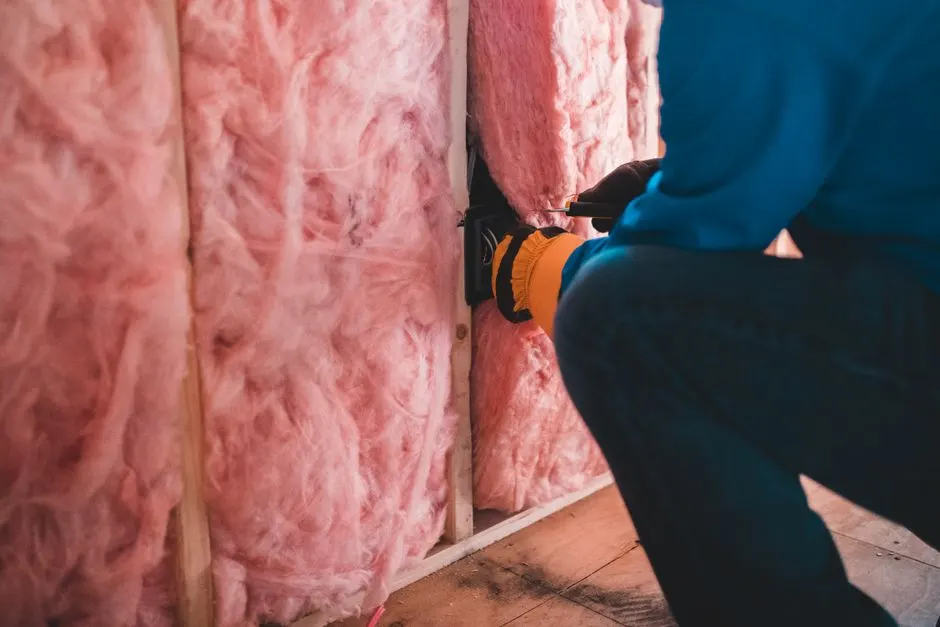
Most Pleasant Valley attics we open have 4 to 6 inches of fiberglass when they should have 14 to 16. That means the furnace runs longer, the upstairs bedrooms stay cold, and ice dams form on the roof. It also means a simple top-off will not fix it if the ceiling plane is leaking air.

Solution: We air-seal the ceiling first, using air sealing caulk and spray foam on every penetration, then blow in cellulose to a measured depth. We leave depth rulers in the attic so you can check the R-value yourself. The whole job usually takes three to five hours for a standard Pleasant Valley ranch.

Challenge: Crawl spaces stay damp near the Ogden River

Homes on the west side of Pleasant Valley, closer to the Ogden River Parkway, deal with higher ground moisture. Fiberglass batts in those crawl spaces absorb water, sag, and stop insulating. Left alone, that moisture leads to mold and rot in the floor joists.

Solution: We remove the wet material, lay a heavy vapor barrier across the crawl space floor, and insulate the walls with foam board instead of batts. We seal the rim joist with closed-cell spray foam. That keeps the wood dry and the floor above it noticeably warmer in winter.

Neighborhoods we serve

Pleasant Valley NorthPleasant Valley SouthPleasant ViewValley EstatesPleasant Valley HeightsSouth Ogden City Offices area

Service area

Pleasant Valley

Latitude: 41.172

Extract Directions

Case files

Recent project: 1

Valley Estates

Challenge

A 1978 ranch in Valley Estates had 4 inches of settled fiberglass in the attic and ice dams every winter. The homeowner had already replaced the furnace and was still cold.

Execution

We air-sealed the ceiling plane with spray foam and air sealing caulk, then blew in cellulose to R-49. We also sealed the attic hatch and added baffles at the eaves to keep ventilation open. The job took four hours with a two-person crew.

Impact

The homeowner reported a 22 percent drop in winter heating use the following season, and no ice dams formed on the roof. We went back in spring to verify the insulation depth.

Recent project: 2

Pleasant Valley South

Challenge

A split-level in Pleasant Valley South had a crawl space that stayed damp year-round, and the fiberglass batts had sagged and started to smell. The floor above was cold enough that the family avoided the lower level in winter.

Execution

We removed the wet batts, installed a heavy vapor barrier across the crawl space floor, and insulated the walls with foam board panels. We sealed the rim joist with closed-cell spray foam and added a moisture meter reading before and after.

Impact

Crawl space humidity dropped from 78 percent to 54 percent, and the floor above measured 6 degrees warmer. The family now uses the lower level as a den.

Detailed close-up view of brown wool texture, ideal for backgrounds.
Our track record
Our track record

Field evidence from Pleasant Valley jobs

What we see in Pleasant Valley attics

Since 2022, we have completed more than 1,400 insulation jobs across the South Ogden area, and Pleasant Valley accounts for a large share of them. The pattern is consistent: settled fiberglass, open top plates, and a homeowner who has already tried turning up the thermostat. In one recent stretch of Pleasant Valley North, we topped off 14 attics in a single fall and every one of them was below R-19. We also handle the less glamorous calls, like insulation removal after a raccoon gets into an attic or a supply line bursts in a crawl space. If you want a Pleasant Valley insulation company that tracks what actually works here, we keep notes on every job.

1,400+
Local jobs completed

Local questions

How much does insulation cost in Pleasant Valley?

Most attic insulation jobs in Pleasant Valley run $1,200 to $3,800 in 2026, depending on square footage and how much air sealing is needed. Crawl space work typically lands between $1,500 and $4,500. Spray foam in a rim joist or small crawl space can be $800 to $2,000. We give you a written number before we start.

Who is the best insulation company in Pleasant Valley?

The best insulation company in Pleasant Valley is the one that air-seals before it insulates and can show you thermal images of the work. We have been serving this area since 2022 and have completed more than 1,400 local jobs. Ask any contractor whether they seal the ceiling plane first, and you will quickly separate the good ones from the rest.

Do you offer 24/7 insulation in Pleasant Valley?

Yes. We offer 24/7 insulation installation and emergency insulation repair in Pleasant Valley for burst pipes, storm damage, and similar urgent calls. If a pipe bursts in your crawl space at 2 a.m., call the main line and we will get a crew moving toward your address. Standard attic work is scheduled Monday through Saturday.

Licensed and insured

Licensed, insured, and local

Insulation work in Pleasant Valley falls under Utah Division of Occupational and Professional Licensing (DOPL) contractor licensing, and we carry that license along with general liability and workers compensation insurance. We can provide documentation for property managers, HOAs, or anyone who needs it on file. Our crew follows OSHA 10 and OSHA 30 safety practices on every job, and we use respirator masks and protective coveralls when we handle spray foam or remove old insulation. If a job requires a permit, we pull it. We also follow EPA Lead-Safe Certified practices when we work in pre-1978 homes, which covers a good portion of Valley Estates and Pleasant Valley South.

Utah DOPL contractor license
General liability and workers compensation insurance
EPA Lead-Safe Certified U.S. Environmental Protection Agency
When To Call

Signs you need insulation work in Pleasant Valley

Most Pleasant Valley homeowners do not call us until something goes wrong, and by then the problem has usually been building for a while. If you notice any of these signs, it is worth having us take a look. A quick attic inspection costs nothing and often finds issues you cannot see from inside the house.

1. Upstairs rooms are cold while downstairs is warm

This usually means the attic insulation is thin or the ceiling plane is leaking air. Heat rises, finds the gaps, and escapes before it ever warms the bedrooms. In Pleasant Valley, this is the most common complaint we hear in November and December.

2. Ice dams form on the roof every winter

Ice dams are an insulation problem, not a roofing problem. Warm air escaping into the attic melts snow on the upper roof, which refreezes at the eaves and backs water under the shingles. Sealing and insulating the attic floor is the fix that actually works.

3. Heating bill climbs every year without a rate change

If your usage is going up but your habits have not changed, the insulation is losing performance. Fiberglass settles over time, and air leaks get worse as seals age. A top-off and air sealing usually pays for itself within a few seasons in this climate.

4. You can see the floor joists through the attic insulation

If you can look across your attic and see wood, the insulation is below code depth. Pleasant Valley attics should have 14 to 16 inches of blown-in material. Anything less means you are heating the neighborhood, not the house.

5. Crawl space smells musty or the floor above feels damp

That smell is moisture, and it usually means the crawl space needs a vapor barrier and new insulation. Wet fiberglass stops working and becomes a mold risk. Homes near the Ogden River Parkway are especially prone to this.

Local Problem Patterns

Common insulation problems in Pleasant Valley

Pleasant Valley has a specific set of insulation problems that come from its climate, its housing age, and its location near the Ogden River. Cold winters drive the demand, but the underlying causes are usually air leaks, moisture, and settling. Here is what we run into most often.

Settled fiberglass batts in older attics

Why it happens here

Fiberglass batts lose thickness over time, especially in attics that see big temperature swings. Many Pleasant Valley homes built before 1990 have batts that started at R-19 and are now performing closer to R-11. The material is still there, but it is not doing its job.

Our approach

We measure the actual depth, air-seal the ceiling plane, and blow in cellulose to bring the assembly up to R-49. We leave depth rulers so you can verify the work. It is a one-day job for most Pleasant Valley homes.

Air leaks at top plates and rim joists

Why it happens here

Older construction in Valley Estates and Pleasant Valley South did not prioritize air sealing. Every wire, pipe, and framing joint is a potential leak. Insulation alone cannot stop air movement, which is why some homeowners add batts and see no change in their bill.

Our approach

We treat air sealing as the first step. Using a spray foam gun and air sealing caulk, we seal top plates, rim joists, and penetrations before adding insulation. That sequence is what makes the insulation perform.

Crawl space moisture near the Ogden River

Why it happens here

Homes on the western side of Pleasant Valley sit closer to the water table and the Ogden River Parkway. Ground moisture migrates into crawl spaces, where it soaks into fiberglass batts and causes them to sag and smell. Left alone, it leads to mold and rot.

Our approach

We remove the wet material, install a heavy vapor barrier on the crawl space floor, and insulate the walls with foam board instead of batts. We seal the rim joist with closed-cell spray foam and check moisture levels before we leave.

Ice dams and roof damage from attic heat loss

Why it happens here

When warm air escapes into the attic, it heats the roof deck and melts snow from underneath. The meltwater refreezes at the cold eaves and backs up under the shingles. This is a recurring problem in Pleasant Valley because of the freeze-thaw cycles in January and February.

Our approach

We seal the attic floor to stop the warm air from getting into the attic, insulate to code depth, and check that the soffit and ridge vents are open. That keeps the roof deck cold and stops the ice dams at the source.

Local Pricing

Insulation pricing in Pleasant Valley

Typical 2026 pricing for insulation in Pleasant Valley runs from about $1,200 to $3,800 for a standard attic job, depending on square footage, existing insulation, and how much air sealing is needed. Crawl space work usually lands between $1,500 and $4,500. Spray foam in a rim joist or small crawl space can be $800 to $2,000 on its own. These are real ranges we quote in this area, not national averages. The biggest variable is whether the ceiling plane needs sealing, because that is where the labor goes. We give you a written number before we start, and we do not add charges for things we did not discuss.

Availability in Pleasant Valley: We schedule standard insulation work Monday through Saturday, with morning slots preferred for attic jobs so we are not working in peak heat. Emergency insulation repair and 24/7 insulation installation are available for burst pipes, storm damage, and similar urgent calls in Pleasant Valley. Call before noon and we can often fit a same-day visit into the schedule.

1

Attic square footage and access

A 1,000 square foot attic with a standard hatch is a half-day job. A 2,000 square foot attic with a low pitch and a tight access panel can take twice as long. In Pleasant Valley homes with finished ceilings and no attic access, we may need to cut a new hatch, which adds labor.

2

Existing insulation condition

If the old insulation is dry and just settled, we can usually blow new material over it. If it is wet, contaminated, or infested, we have to remove it first. Insulation removal in Pleasant Valley typically adds $600 to $1,500 depending on volume and disposal.

3

Air sealing scope

Air sealing is the step that actually lowers your bill, and it is priced by the number of penetrations and the linear feet of rim joist. A typical Pleasant Valley attic has 15 to 30 penetrations to seal. More sealing means more labor, but it also means the insulation performs the way it should.

Year-Round Coverage

How seasons affect insulation in Pleasant Valley

Pleasant Valley sees real seasons, and each one brings a different insulation concern. Fall is our busiest time because everyone wants the attic done before the cold hits. Spring and summer are better for crawl space and basement work. Here is what to expect through the year.

Spring

Spring in Pleasant Valley is the best time to address crawl space moisture, because the ground is thawing and any water problems are visible. We also get calls for insulation removal after winter rodent damage. Attic work is comfortable in spring, before the heat builds.

Tip

Schedule a crawl space inspection in April or May, before the summer humidity makes the problem worse. If you had ice dams in winter, spring is the time to fix the attic.

Summer

Summer heat in Pleasant Valley pushes attic temperatures above 130 degrees, which makes attic work slow and uncomfortable. We schedule attic jobs early in the morning. Summer is also when homeowners notice their upstairs is hot and start thinking about ceiling insulation and attic ventilation.

Tip

If your upstairs is unbearable in July, get an attic inspection before fall. Adding insulation and sealing air leaks now means a cooler house next summer and a warmer one next winter.

Fall

Fall is our busiest season in Pleasant Valley. Everyone wants the attic topped off before the first freeze, and our schedule fills up by mid-October. Ice dam prevention, air sealing, and attic insulation are the most common requests. If you wait until November, you may be looking at a two-week wait.

Tip

Book your attic insulation in September or early October. That gives us time to do the air sealing properly and gets you ahead of the first cold snap.

Winter

Winter in Pleasant Valley brings frozen pipes, ice dams, and emergency insulation calls. When a pipe bursts in a crawl space, the insulation gets soaked and has to be removed. We run 24/7 insulation installation and emergency insulation repair through the winter for exactly these situations.

Tip

If a pipe freezes or bursts, call us before you try to dry the insulation yourself. Wet fiberglass needs to come out, and the cavity needs to be dried and re-insulated to prevent mold.

Hiring Smart

What to ask before hiring an insulation contractor

Not every insulation contractor in Pleasant Valley does the same work. Some crews blow material into an attic without sealing anything first, which means you pay for insulation that does not perform. These are the questions we would ask if we were hiring someone for our own home.

  1. 1

    "Do you air-seal before you insulate?"

    Why it matters

    Air sealing is the step that actually lowers your heating bill. If a contractor skips it and just blows insulation over the leaks, you will not see the savings you expect. Ask them to explain what they seal and how they verify it.

  2. 2

    "What R-value will my attic be when you finish?"

    Why it matters

    Utah code calls for R-49 in most attics. A contractor who cannot tell you the target R-value or show you depth rulers after the job is guessing. You should know the number before they start.

  3. 3

    "Are you licensed and insured in Utah?"

    Why it matters

    Insulation work in Pleasant Valley falls under Utah DOPL licensing. A licensed contractor carries insurance and can pull permits when needed. If they cannot show you a license, that is a red flag.

  4. 4

    "What happens if the insulation gets wet or settles?"

    Why it matters

    Wet insulation has to be removed, not dried in place. Settling is normal over time, but a good contractor will tell you what to expect and how to check the depth yourself. Ask about their workmanship warranty.

  5. 5

    "Can you show me thermal images before and after?"

    Why it matters

    A thermal imaging camera shows where the air leaks are, and a before-and-after set of images proves the work was done. If a contractor does not own one, they are probably not finding the leaks that matter.

Knowing the Area

Landmarks we use to navigate Pleasant Valley

Pleasant Valley is easy to work in once you know the landmarks. We route our crews using Pleasant Valley Park as the center point, then branch out toward the elementary school, the city offices, and down toward the Ogden River Parkway. If you tell us you are near the Weber County Fairgrounds, we know exactly which streets you mean. That matters when we are scheduling multiple jobs in a day and need to keep drive times short.

Landmarks

  • Pleasant Valley Park

    This is our main orientation point for the neighborhood. Jobs north of the park are usually Pleasant Valley North, and jobs south are Pleasant Valley South. It helps us route crews efficiently when we have several attics scheduled in one day.

  • Pleasant Valley Elementary School

    The streets around the school have some of the oldest housing stock in Pleasant Valley. We know the drop-off traffic patterns, so we schedule morning work to avoid the school run and keep our trailer out of the way.

  • Ogden River Parkway

    Homes near the parkway deal with higher ground moisture, which changes how we insulate crawl spaces. If your address is close to the river, expect us to recommend a vapor barrier and foam board rather than fiberglass batts.

Commercial Districts

  • South Ogden City Offices area

    The commercial blocks near the city offices generate calls for metal building insulation and pole barn insulation. These are often shop or storage buildings where condensation control matters as much as heat retention.

  • Weber County Fairgrounds vicinity

    The fairgrounds area has a mix of event spaces and outbuildings that need seasonal insulation. We get calls here for double bubble insulation and foil insulation on metal structures that are only used part of the year.

Transport & Access

  • US-89 / Washington Blvd corridor

    This is our main route into Pleasant Valley from South Ogden. It puts us within ten to fifteen minutes of most addresses, depending on traffic near the city offices.

  • Ogden River Parkway trail access

    The parkway trail crossings give us a useful landmark for the western edge of Pleasant Valley. If your home backs up to the trail, we know to plan for slightly longer carry distances to the truck.

Service Area

Insulation Coverage Across Pleasant Valley & Weber County

Routine and same-week appointments for residents and businesses across Weber County, including the ZIP codes below.

8440584403
!

Get insulation in Pleasant Valley before the cold hits

Fall is our busiest season in Pleasant Valley, and attic slots fill up fast. If your upstairs is cold, your heating bill is climbing, or you have ice dams forming on the roof, call us today. We will walk your attic, show you the problem areas with a thermal imaging camera, and give you a written price before we start. Serving Pleasant Valley and the surrounding South Ogden area since 2022.

Get a free estimate
Call Now: (855) 927-7517